EV Home Charging Cost Per Month 2026: kWh Math & TOU Rates
Our top picks
 8.4Price tier: Budget, under $350Check price on Amazon
 8.8Price tier: Premium, $550–$750Check price
 8.9Price tier: Mid-range, $350–$550Check price
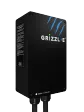
Most drivers pay roughly $40–$90/month for home charging — about 300 kWh for 1,000 miles at typical $0.15–$0.30/kWh residential rates. The cheapest reliable path there is the Grizzl-E Classic at ~$350–$450 with zero smart-feature standby fuss, the Emporia Pro if you want TOU scheduling plus solar integration, or the Tesla Wall Connector for Tesla homes with the best energy-tracking app. This is a research-based cost guide from published 2026 rates and maker specs, not lab testing — your utility’s exact $/kWh decides your number, so verify on your bill.
The miles-driven formula
Forget battery size — monthly cost comes from three numbers:
Monthly kWh = monthly miles ÷ efficiency (mi/kWh) × 1.1 (the ×1.1 covers ~10% charging losses)
Monthly cost = monthly kWh × your $/kWh
Worked examples at ~3.5 mi/kWh efficiency:
| Monthly miles | kWh needed (approx.) | At $0.15/kWh | At $0.22/kWh | At $0.30/kWh |
|---|---|---|---|---|
| 500 | ~157 | ~$24 | ~$35 | ~$47 |
| 1,000 | ~314 | ~$47 | ~$69 | ~$94 |
| 1,500 | ~471 | ~$71 | ~$104 | ~$141 |
The US average driver (1,000–1,200 miles/month) lands around **$40–$90/month** depending on rate. High-rate states (California, Hawaii, New England) sit at the top of the band; off-peak TOU scheduling pulls almost anyone toward the bottom. Run your exact mileage and local gas price against electricity in our EV-vs-gas tool.
For context, 1,000 miles at 25 mpg and ~$3.50/gal costs ~$140 in gasoline — home charging saves roughly $55–$100/month before any rate optimization. If you are still choosing hardware, our how to choose a Level 2 charger framework covers the buying sequence.
TOU rates: the 30–50% discount most drivers miss
A flat residential rate (~$0.20–$0.30/kWh in many states) charges the same price at 6pm and 2am. A time-of-use (TOU) plan splits the day: expensive on-peak evening hours, cheap off-peak overnight — often roughly half price. Since EVs charge overwhelmingly overnight, switching to TOU and scheduling charging for off-peak is the single biggest bill-cutter available, frequently saving 30–50% on the EV portion.
All three picks handle scheduling. The Emporia Pro has the strongest story: app scheduling plus real-time energy tracking, solar-charging integration for daytime surplus, and peak-demand management — genuinely useful if your utility has sharp peak/off-peak spreads. The Tesla Wall Connector schedules through the Tesla app with charge stats and history, excellent for Tesla homes. The Grizzl-E Classic base model has no app at all — schedule through your car’s built-in charge timer instead, which every modern EV includes. Deliberately dumb hardware plus a smart car works fine.
Check whether your utility offers an EV-specific TOU rate or rebates for smart chargers — our installation cost and rebates guide tracks where to look, and note that some utilities require specific connectivity to qualify.
Charger cost vs fuel savings: break-even math
At ~$100–$150/month in gas-vs-electricity savings for average drivers, even a full Level 2 install pays back fast:
- Grizzl-E Classic (~$350–$450): hardware breaks even in ~3–4 months of fuel savings alone.
- Emporia Pro (~$599): breaks even in ~4–6 months, faster if load management avoids panel work.
- Tesla Wall Connector (~$440–$475): breaks even in ~3–5 months for Tesla homes.
The real first-year variable is install: a simple garage install near the panel runs a few hundred dollars; trenching, long runs, or panel upgrades run into the thousands. That is why the Emporia Pro’s load-management angle matters — dodging a panel upgrade dwarfs every other line item. Confirm your situation with the panel capacity checker and the 40A vs 48A plus hardwired vs plug-in guides before getting quotes.
What moves your number up or down
Down: off-peak TOU scheduling, efficient driving (steady highway speeds beat aggressive acceleration), charging to 80% for daily use (also better for the battery), RCA-free workplace or free public charging offsetting home kWh, and solar surplus charging midday.
Up: high flat residential rates with no TOU option, very cold winters (battery heating plus cabin heat can add 20–40% consumption), inefficient EVs or trucks (~2.0–2.5 mi/kWh instead of ~3.5), and charging losses on Level 1 cords (~15% vs ~10% on Level 2). Estimate overnight fill times under your actual amperage with the charge-time calculator.
Connector choice does not affect cost per kWh — but buying the wrong one costs a reorder. Match NACS vs J1772 to your car per our connector explainer, and compare all three picks against the wider field in our best Level 2 chargers roundup.
Who should buy which
Buy the Grizzl-E Classic if: you want the cheapest credible path to Level 2 and schedule through your car — tank-like metal build, UL listed, DIP-switch amperage, no app to maintain. The value champion for cost-focused homes.
Buy the Emporia Pro if: TOU optimization, energy tracking, or solar integration matters — or your panel is tight enough that load management avoids upgrade costs. The highest bill-cutting ceiling here.
Buy the Tesla Wall Connector Gen 3 if: every car in the driveway is a Tesla — 48A, superb app with scheduling and stats, 4-year warranty, all around ~$450. Non-Tesla households should price the Universal Wall Connector instead.
The verdict
Cheapest way to start saving: Grizzl-E Classic. ~$350–$450 of tank-built hardware that breaks even in months. Check the current price on Amazon
Biggest bill-cutting toolkit: Emporia Pro. TOU scheduling, solar charging, and load management that can delete a panel upgrade. Check the current price on Amazon
Best for Tesla homes: Tesla Wall Connector Gen 3. Full 48A speed with the category’s best app around ~$450. Check the current price on Amazon
Plug your mileage and local rate into the EV-vs-gas calculator, confirm overnight fill time with the charge-time calculator, and check tonight’s off-peak rate on your utility bill.