EV Charging in Cold Weather (2026): Slower Charging, Range Loss, Preconditioning, and the Best Home Chargers for Winter
Our top picks
 Listed operating range -30 to 50 °C, NEMA 3R, 24 ft cable, ~$550-600Tesla Universal Wall Connector48 A · 11.5 kW · 24 ft · NACS + J17729.2Price tier: PremiumCheck price on Amazon
 Cold-resistant 23 ft cable per our data, plug-in or hardwired, ~$500-600ChargePoint Home Flex50 A · 12 kW · 23 ft · J17729.0Price tier: Mid-rangeCheck price
 NEMA 4 / IP66, 48 A, 25 ft cable, ~$379-429EVIQO Level 2 EV Charger (Gen 2)48 A · 11.5 kW · 25 ft · J17728.6Price tier: Mid-rangeCheck price
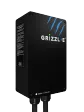 NEMA 4 / IP67 cast aluminum, 40 A plug-in, cable can be stiff in extreme cold, ~$300-450Grizzl-E Classic40 A · 9.6 kW · 24 ft · J17728.4Price tier: BudgetCheck price
The first cold week of the year is when EV owners notice three things at once: the range estimate drops, charging feels slower, and the charger on the garage wall or driveway post suddenly seems to matter. Most of that is the battery and the heater, not the charger. But the charger you choose and where you put it still change how winter goes. This guide separates what the cold does to the car from what it does to the equipment, then covers preconditioning, home Level 2 charging, weather ratings, cables and the chargers in our data.
Prices below are the ranges from our model data as of October 10, 2026, so check today’s price before you buy. We have not verified any 2026 Black Friday EV charger offers.
What does cold weather do to EV charging?
The short version is that it is a battery-temperature problem. A cold traction battery may deliver energy and accept charging less readily until it warms, according to Recharged’s winter guide. How much slower is not one number. It depends on the vehicle, its battery heating, its software and how cold it is, so be wary of any article that gives a single figure.
Two points are worth knowing:
- DC fast charging is where cold bites hardest. EcoFlow, summarizing a 2020 study on the vehicles tested, says a fast charger brought a test battery to 80% in 30 minutes at 77°F, while at 32°F the state of charge was 36% lower after the same 30 minutes. That is a secondary source about older test vehicles, and newer cars with battery heating may do better.
- Home Level 2 is gentler. It is a lower, steadier power level, and a car parked in a garage and plugged in starts the night warmer. We do not have a sourced slowdown figure for Level 2, so we will not invent one. If your car’s charging seems slow on a freezing night, check your manual and the vehicle’s charge settings before blaming the charger.
How much range do EVs lose in the cold?
fueleconomy.gov, citing a 2019 AAA study, says EV fuel economy can drop roughly 39% in mixed city and highway driving in the cold, and range can drop by 41%. About two-thirds of the extra energy consumed is used to heat the cabin. The same page gives a very different number when the heater is not used: EV fuel economy is 8% lower at 20°F than at 75°F, and range is about 12% lower.
That gap is the useful lesson. The battery and drivetrain lose some efficiency in the cold, but heating the cabin is the bigger swing. It is also the part you can influence. fueleconomy.gov suggests preheating while plugged in and using seat warmers instead of the cabin heater to save energy. Our monthly home charging cost guide notes that very cold winters can raise consumption, so winter bills are not the same as summer ones.
| Winter factor | What it does | What helps |
|---|---|---|
| Cold battery | Accepts and delivers energy less readily | Garage parking, preconditioning while plugged in |
| Cabin heating | The largest extra load, per fueleconomy.gov | Seat warmers, preheat on grid power |
| DC fast charging | Most affected by cold, per a 2020 study reported by EcoFlow | Charge at home when you can |
| Cold connectors and cables | Handles can freeze or stiffen | Holster the handle, choose a manageable cable |
Should you use preconditioning or scheduled departure?
Yes, if your car supports it. Recharged describes preconditioning as warming the cabin and, in compatible EVs, the traction battery before departure, ideally while plugged in. When the car is on the charger, much of that initial demand can come from the grid instead of the battery. It does not create extra capacity, but it leaves more stored energy for driving.
A practical routine:
- Plug in when you park, even if the battery is not low.
- Set a departure time in the car or its app, so the vehicle manages its own heating before you leave. Recharged says a schedule is generally more reliable than remembering to start climate control as you walk out.
- Keep the car connected until you are ready to go.
- Use seat warmers for personal comfort and a moderate cabin setting.
- Read your manual, because preconditioning functions vary by model and software version, and warming the cabin does not always warm the battery.
If your car has a scheduling feature, the charger’s own app is optional. The Tesla app, ChargePoint and the other apps in our data offer scheduling, but the vehicle’s controls are the ones that manage battery heating.
Why does a home Level 2 charger matter more in winter?
Because winter is when you most want the car full, warm and ready, and when public charging is least pleasant. A home Level 2 charger lets you start every day from the garage with a charged battery, a cabin that warmed on grid power, and no cold-weather fast-charging stops for routine driving. That is a real reason to buy before the coldest months.
A few things to settle before you buy:
- Amperage. A 48 A charger delivers up to 11.5 kW per our model data, but your car’s onboard charger and your circuit set the real limit. Our 40-amp vs 48-amp guide walks through that decision, and the charge-time calculator estimates overnight fill times for your setup.
- Hardwired or plug-in. A hardwired install avoids a plug and outlet that can be exposed to weather, while a NEMA 14-50 plug-in is simpler. See hardwired vs plug-in.
- Electrician. New circuits, breaker sizing and hardwiring are licensed-electrician work. Winter weather and holiday schedules can stretch lead times, so book quotes early.
Garage or outdoor install: what changes in winter?
A garage wall is the easy answer. It keeps rain, snow and ice off the unit and the cable, and it starts the car warmer, which fueleconomy.gov recommends for conventional cars and which helps EVs too. If the only option is an exterior wall, driveway post or open carport, then the weather rating matters.
Our weather ratings guide explains the terms in detail. In short, NEMA describes Type 3R as protecting against rain, sleet and snow and undamaged by external ice, and Type 4 adds splashing and hose-directed water. The ratings in our data:
| Charger | Listed weather rating | Cable | Install |
|---|---|---|---|
| Tesla Universal Wall Connector | NEMA 3R, -30 °C to 50 °C | 24 ft | Hardwired |
| ChargePoint Home Flex | UL listed indoor and outdoor | 23 ft | Hardwired or NEMA 14-50 plug |
| EVIQO Gen 2 | NEMA 4 / IP66 | 25 ft | Hardwired or NEMA 14-50 plug |
| Grizzl-E Classic | NEMA 4 cast aluminum, IP67 | 24 ft | NEMA 14-50 plug |
| Grizzl-E Ultimate 48A | NEMA 4X / IP67 | 25 ft | Hardwired |
An outdoor rating is not a license to ignore the manufacturer’s mounting and conduit instructions. Water that gets in through a poorly sealed entry is not covered by a rating on the box. Mount per the instructions, use the right fittings, and have your electrician follow them. For a plug-in install outdoors, the outlet and its cover matter too. Our accessory list includes a NEMA 14-50 weatherproof outdoor box, but the electrician should decide what is right for your location.
EcoFlow’s summary of DOE guidance says heavy snow or sleet can freeze outdoor charging connectors and suggests hanging the connector up when not in use. That is a secondary source, so follow your charger and car manuals first, but the habit of holstering the handle is sensible anywhere.
What about charger operating temperature and cable flexibility?
Here is where we have to be careful. Our model data lists an operating temperature range for only one charger: the Tesla Universal Wall Connector at -30 °C to 50 °C (about -22°F to 122°F). For the others we do not have a published figure, so ask the maker or read the spec sheet before you assume anything about extreme cold.
On cables, the notes in our data are:
- ChargePoint Home Flex: a “cold-resistant 23 ft cable” listed among its pros.
- Grizzl-E Ultimate 48A: the cable is stiffer in cold weather than the Classic’s.
- Grizzl-E Classic: the cable can be stiff in extreme cold.
A stiff cable is an annoyance, not usually a safety problem, but it matters for a short cable and a tight garage. Cable length counts too. The Lectron V-BOX Pro has a 16 ft cable in our data against 23-25 ft on most others, which can be a stretch if your port is far from the wall mount. Plan the mount height and cable path so the cable hangs without a hard bend, and use a holster. Never use a cable or connector that looks damaged or cracked.
Which home chargers suit winter?
All specs below come from our model data.
Tesla Universal Wall Connector (~$550-600) is hardwired, 48 A, 24 ft cable, NEMA 3R, with a listed -30 °C to 50 °C operating range, the only stated temperature range in our data. Its Magic Dock handles NACS with a built-in J1772 adapter. It needs a hardwired install. Check the current price on Amazon · Full review
ChargePoint Home Flex (~$500-600) is 16-50 A, plug-in or hardwired, with a 23 ft cable our data calls cold-resistant. It is UL listed for indoor and outdoor use but our data does not name a NEMA type, and it is a J1772 unit. Check the current price on Amazon · Full review
EVIQO Gen 2 (~$379-429) is 48 A with a NEMA 4 / IP66 enclosure, which our data calls the highest weather rating in that roundup, and a 25 ft cable. Hardwired or plug-in. We have no cold-cable note for it. Check the current price on Amazon · Full review
Grizzl-E Classic (~$300-450) is a 40 A plug-in with a NEMA 4 cast aluminum case and IP67, built for harsh weather per our data. It has no app, and its cable can be stiff in extreme cold. Check the current price on Amazon · Full review
For the full ranking, see the best Level 2 EV chargers of 2026.
Should you wait for Black Friday?
Black Friday 2026 is November 27. We have not verified any 2026 EV charger deals, and last year’s sales are a record, not a forecast. Our EV charger Black Friday guide lays out the 2025 reports we can cite and what they do and do not tell you. The practical rule: if you need a charger working before the coldest weather, buy and book the electrician now, since a sale does not shorten an install queue. If you are planning ahead, record today’s price and compare it when sales begin. Installation is a separate cost either way.
A winter charging checklist
- Park in the garage if you can, and plug in every night.
- Set a scheduled departure so the car warms on grid power.
- Use seat warmers and a moderate cabin setting for efficiency.
- Check your charger’s weather rating and mounting instructions if it is outdoors.
- Holster the handle, keep the cable off the ground, and do not use damaged parts.
- Keep fast charging for trips, and expect it to be slower when the battery is cold.
- Book an electrician early if you are adding a charger, and let them handle hardwiring.
The bottom line
Cold weather costs EV owners range and, at fast chargers, charging speed. Most of the loss is the battery and the cabin heater, and a home Level 2 charger with a scheduled departure is the best way to blunt it. Pick the charger for the wall it will live on: any outdoor unit should have a weather-rated enclosure, a cable you can manage in the cold, and a licensed electrician installing it. If you are unsure which amperage to choose, start with our 40-amp vs 48-amp guide.
Frequently asked questions
Why is my EV charging slower in winter?
How much range does an EV lose in cold weather?
Does preconditioning work while plugged in?
What is the best EV charger for cold weather?
Is it safe to charge an EV outside in snow and rain?
Should I buy a charger now or wait for Black Friday?
Sources
- fueleconomy.gov: Fuel Economy in Cold Weather · checked 2026-10-26 — EV fuel economy can drop roughly 39% and range 41% in mixed driving in cold, with about two-thirds of the extra energy used to heat the cabin (based on a 2019 AAA study); without the cabin heater, range is about 12% lower at 20°F than at 75°F; preheating the cabin while plugged in can extend range; seat warmers can save energy
- Recharged: EV Preconditioning in Winter Explained · checked 2026-10-26 — Preconditioning warms the cabin and, when supported, the traction battery before departure, ideally while plugged in; a cold battery may accept charging less readily; functions vary by model and software; a schedule is generally more reliable than starting climate control as you leave
- EcoFlow: Electric Cars in Cold Weather (reporting DOE and NHTSA guidance) · checked 2026-10-26 — Secondary report that DOE warns heavy snow or sleet can freeze outdoor charging connectors and suggests hanging the connector up when not in use; cold affects DC fast charging most; NHTSA suggests plugging in at night in winter
Get new guides by e-mail
One short e-mail when EV Charger Reviews publishes a new guide. No spam, no sharing your address, and you can unsubscribe in one click.